


The Emergency Food Assistance Program (TEFAP) is a helpful program run by the U.S. government that gives free emergency food to people who don't have a lot of money.
It's managed by the Food and Nutrition Service (FNS), a part of the U.S. Department of Agriculture (USDA), and it operates all across the country including in all 50 states, the District of Columbia, Puerto Rico, the U.S. Virgin Islands, and Guam.
How Does It Work?
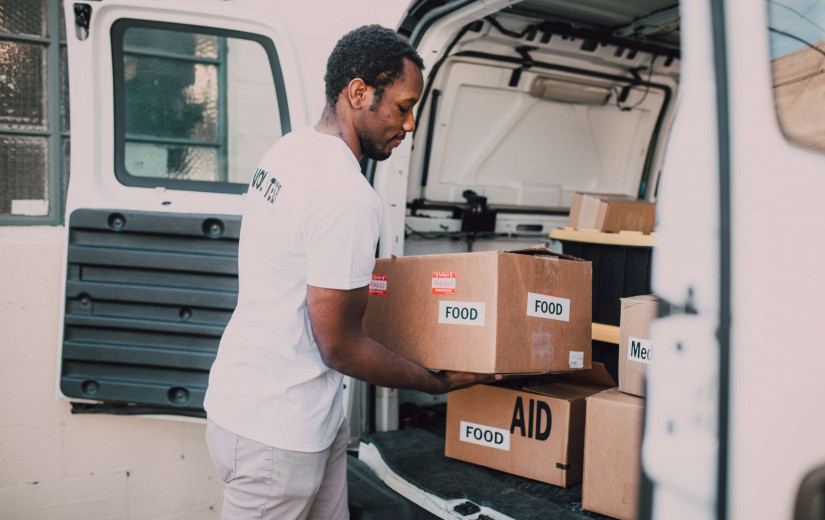
TEFAP buys different kinds of good, nutritious food like fruits, vegetables, meats, dairy, and grains, and then sends these foods to state agencies.
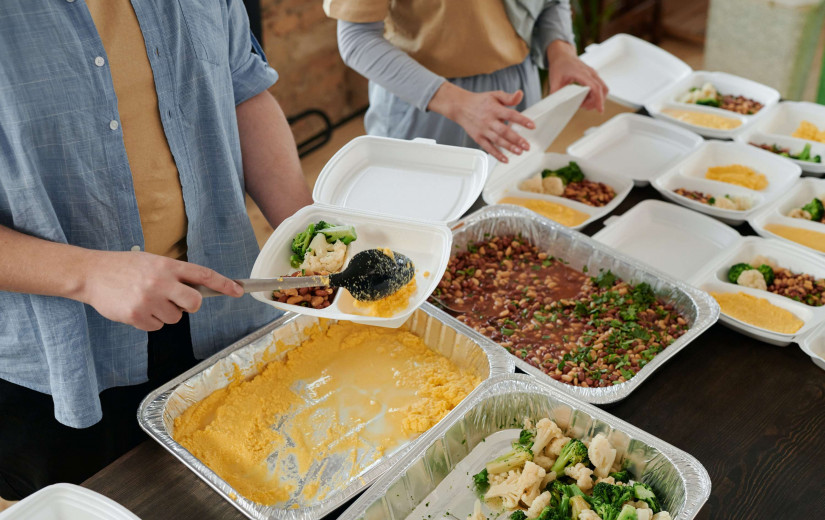
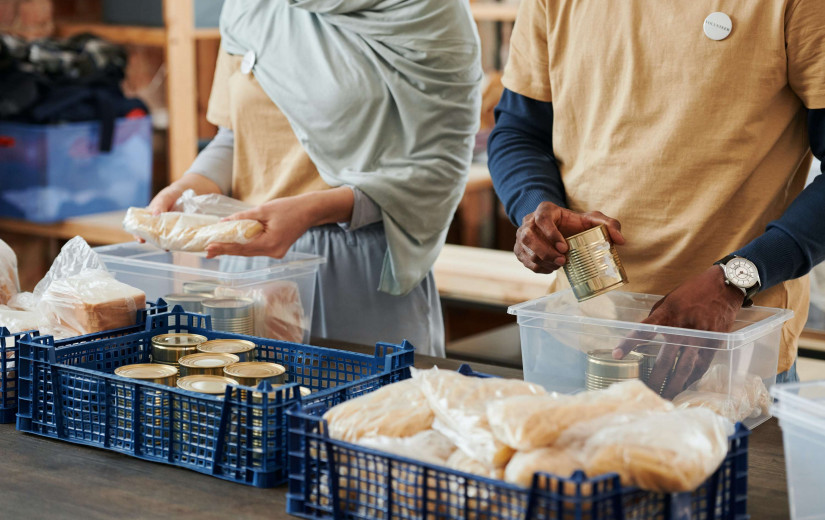
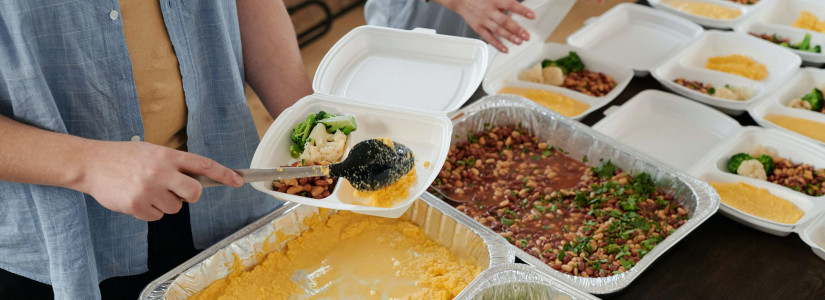
These agencies give the food to local organizations like food banks, which then share it with smaller groups like soup kitchens and food pantries. These in turn give the food directly to families and individuals who need it, or use it to make meals for them.
Some of the state's money also goes to help with storing all this food and moving it to where it needs to go.
Who Can Get This Food?
Different people and families can get food through TEFAP. To get food to take home, you need to fit into certain income guidelines set by your state.
But if you're getting meals made for you at places like soup kitchens, it's usually just assumed that you need the help.
What Types of Food Are Available?
The types of food you might get can change based on what the state chooses and what's available in the market. You can expect to find over 130 types of healthy and good-quality foods, including:
- Fruits and vegetables (fresh, canned, frozen, dried, or juiced)
- Protein foods (like meat, fish, eggs, nuts, and beans)
- Grains (whole and enriched types like rice, flour, cereals, pasta, and tortillas)
- Dairy products (such as milk, yogurt, and cheese)
To view the full list of foods offered through TEFAP, please check the USDA Foods Available List for TEFAP.
Funding for TEFAP
For the fiscal year 2024, TEFAP has got $461.5 million to buy these foods and another $80 million to cover administrative costs. There are also extra foods (called bonus foods) that are bought to support farmers and given to TEFAP on top of the other funds.
Check out: The 2024 Election: What's at Stake for Food Assistance Programs
A Little Bit of History
TEFAP started in 1981 to help get rid of extra food the government had bought and to help people who didn't have enough to eat.
The program has changed a bit over the years, especially in 1988 and again in 1990, when new laws were made to make sure it kept helping people.
Want to Learn More?
If you're looking to get help from TEFAP or have more questions, you can contact your state's TEFAP agency or reach out via email at USDAFoods@usda.gov.
-
Subscribe to secure your food stamps and learn more about this government benefit
Popular Articles



Weekly newsletter
Receive the latest releases and exclusive articles straight to your inbox every week.
Recent Articles
View all posts
When SNAP Shrinks, Local Food Banks Step Up (But They Can’t Do It Alone)...
Across the U.S., food pantries are working overtime as grocery aid gets harder to keep. More than five million people have lost SNAP benefits since the One Big Beautiful Bill passed last year. ...

SNAP Benefits Are Going Up for 2027: What Families Need to Know...
Millions of Americans on food assistance are getting a small boost this fall. The USDA published its fiscal year 2027 cost-of-living adjustments, which took effect on October 1, 2026. How Much Are...

SNAP Rule Changes in 2027: What You Need to Know...
Federal updates to the Supplemental Nutrition Assistance Program (SNAP) have significantly shifted food assistance eligibility nationwide. According to data from the U.S. Department of Agriculture (USDA) analyzed by th...
Navigating Your SNAP Recertification for October 2026...
Recertifying your food stamps can feel stressful, but it doesn't have to be overwhelming. We are here to help you understand every step so your household keeps getting the food assistance you need. What Is S...

What to Know About the Upcoming SNAP Cost-of-Living Increases...
Starting October 1, 2026, millions of food stamp recipients will see a slight bump in their monthly benefits. The U.S. Department of Agriculture (USDA) official memo confirms that annual cost-of-living adju...

Fueling Your Fitness: Can You Buy Creatine with EBT?...
There comes a point in life when we finally decide to get healthier and build muscle. However, it's often a struggle to find food to help you gain at a friendly price. Nutrition matters for muscle building, and ...